Loading Bay Rules on Putney High Street: Avoid Fines
Posted on 26/06/2026
If you have ever tried to pull a van onto Putney High Street at the wrong moment, you will know the feeling: a tight kerb, traffic building behind you, a driver checking mirrors twice, and that tiny worry that a ticket could land before the boxes are even out. Loading Bay Rules on Putney High Street: Avoid Fines is not just about reading signs. It is about planning the stop, using the space correctly, and keeping your move or delivery calm enough that nobody ends the day muttering at a yellow envelope.
This guide breaks down how loading bays on Putney High Street generally work, why they matter, how to avoid the common traps, and what to do before you park up. It is written for anyone moving furniture, making deliveries, running a business, or simply trying to stay on the right side of local restrictions. And yes, a little preparation goes a long way here.
Why Loading Bay Rules on Putney High Street: Avoid Fines Matters
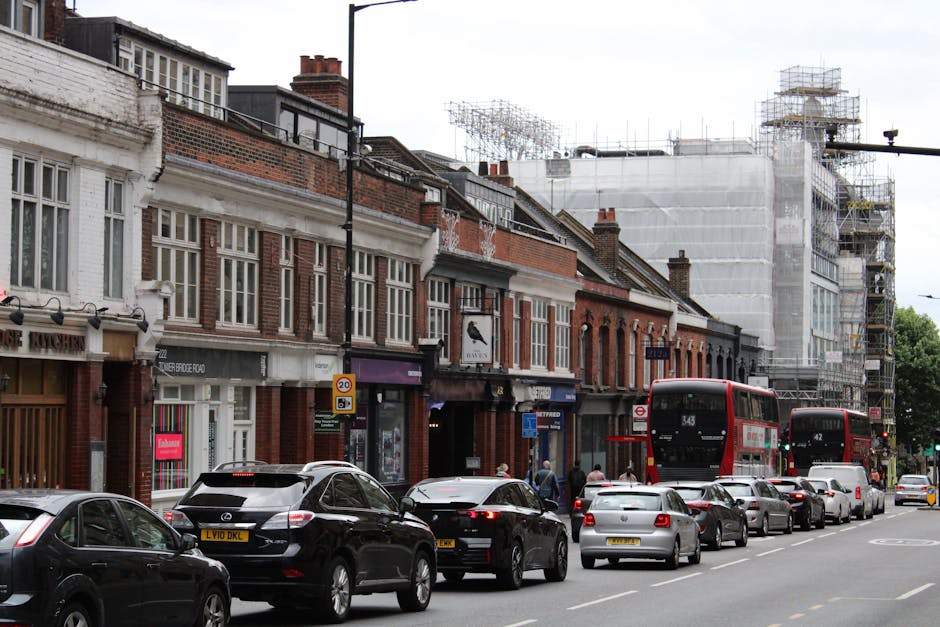
Putney High Street is busy, active, and often less forgiving than people expect. Loading bays exist to keep vehicles from blocking traffic, disrupting pedestrians, or overstaying in places that need to turn over quickly. That sounds obvious, but in real life the details matter. A van can be in the "right" place and still be parked incorrectly if the driver ignores time limits, bay markings, permit conditions, or loading-only restrictions.
The practical reason this matters is simple: fines are annoying, avoidable, and they can easily wipe out the convenience of a quick stop. For tradespeople, movers, shop deliveries, or anyone doing a one-off drop-off, one ticket can create a chain of delays. You may need to move the vehicle, reload, wait, or even reshuffle the whole job. Not fun. Not cheap either.
There is also a customer-service angle. If you are delivering furniture or helping someone move, a smooth stop makes the whole day feel organised. If you are interested in the wider moving experience in Putney, you may also find our guide to moving house on Putney High Street with better van access useful, especially where tight road layouts and loading timing come into play.
Putney also has the kind of mixed-use street activity that makes loading rules more important than on a quiet residential road. You get shops, flats, foot traffic, buses, taxis, and private vehicles all sharing the same stretch. That means the margin for error is pretty small.
How Loading Bay Rules on Putney High Street: Avoid Fines Works
Loading bay rules are usually designed around controlled access, not free parking. In plain English, that means you can stop to load or unload if your activity fits the bay's purpose and the conditions on the sign. The sign is the key. The paint on the road helps, but the sign tells you the actual rule. If the sign says loading only, you need to be actively loading or unloading, not shopping, waiting, or taking a long coffee break.
On a busy high street, there are often time windows, short-stay allowances, vehicle type conditions, or restrictions on how long a vehicle may remain in the bay. Some bays are for certain hours only. Some are suspended or shared with other uses. Sometimes the main issue is not the bay itself, but the fact that nearby restrictions apply too, such as single yellow lines, bus lane timing, or red route style controls in the wider area. So, yes, it can get fiddly.
The safest way to think about it is this: loading bays are for active, continuous loading or unloading, and the vehicle should be moved once the task is done. If there is a gap in activity, or the job has clearly stopped, enforcement officers may decide the vehicle is no longer using the bay for the permitted purpose. That is where people get caught out.
There is also a real-world factor that catches many drivers: access does not always mean entitlement. You may physically be able to stop, but you still need to be using the bay in line with the restriction. In other words, being able to squeeze in is not the same as being allowed to stay.
Key Benefits and Practical Advantages
Following the loading bay rules properly gives you more than just peace of mind. It actually makes the entire job smoother.
- Lower risk of penalties: The obvious one, but still the biggest. Careful timing and proper use reduce the chance of a fine.
- Faster turnaround: When everyone knows the plan, loading becomes efficient instead of chaotic.
- Less disruption to traffic: That helps you avoid complaints, horn-honking, and the general sense that the street is turning against you.
- Better protection for goods: A well-planned stop means fewer delays carrying items in and out.
- Improved professionalism: Whether you are a mover, retailer, or landlord, organised loading looks far more competent.
- Less stress: Honestly, this is underrated. A calm stop on a busy road is worth its weight in packing tape.
For people arranging domestic moves, following loading rules can also make a difference between a single efficient visit and a stressful repeat run. If your move involves a flat, stairs, or awkward access, planning matters even more; our article on flat removals near Putney Station covers some of those access realities in more detail.
And if you are comparing removal options more generally, a look at removals in Putney can help you think through the logistics before moving day sneaks up on you.
Who This Is For and When It Makes Sense
This topic is relevant to a lot more people than most expect. It is not just for big lorries or full house moves.
- Home movers using a van for sofas, beds, appliances, or boxes.
- Local businesses receiving stock or sending out goods.
- Tradespeople carrying tools and materials to nearby jobs.
- Students moving between halls, shared houses, or storage.
- Event organisers shifting equipment, signage, or catering supplies.
- One-off delivery drivers who need a short stop and clear access.
It makes the most sense to pay attention when the vehicle is larger than a car, the stop is time-sensitive, or the pavement and road space are already tight. That is especially true on a street like Putney High Street, where a "quick" stop can become a problem if two other drivers are trying to do the same thing.
If you are a student planning a move around term dates, you might also want to read our student removals Putney page for a more practical look at compact, deadline-driven moves.
Step-by-Step Guidance
Here is the part people actually need. If you want to use a loading bay and avoid fines, work through the process in order. Do not leave it to guesswork on the day. That usually ends badly, or at least expensively.
- Check the bay sign before you stop. Read the hours, any loading-only wording, and any specific conditions. If you cannot safely read the sign from the vehicle, get out and look properly.
- Confirm the purpose of the stop. Make sure the vehicle is there for active loading or unloading, not waiting around for someone to come downstairs, unlock a door, or find the key.
- Estimate how long the job will take. Be realistic. Three flights of stairs, a narrow hallway, and a heavy wardrobe can make a "10-minute job" take half an hour. Easy mistake.
- Prepare items before arriving. Have boxes sealed, furniture wrapped, and trolleys ready if you use them. The less time spent faffing on the pavement, the better.
- Keep the work continuous. If the activity stops for a long stretch, enforcement may view the vehicle as parked rather than loading.
- Move off as soon as you are done. Do not linger while chatting, resetting, or waiting for a second thought to happen.
- Record what you did. If needed, note your arrival time, take a quick photo of the sign and bay markings, and keep any permit or booking confirmation close.
One small but useful habit: assign one person to keep an eye on the vehicle and the clock while everyone else handles the lift. It sounds obvious. It is. Yet it saves trouble more often than you'd think.
If your job involves same-day pressure, the timing gets tighter. In that case, our guide to same-day removals in Putney is a helpful companion piece because fast jobs and loading restrictions tend to overlap.
Expert Tips for Better Results
A few field-tested habits make a big difference. These are the sort of details that separate a smooth stop from a scramble.
- Arrive slightly earlier than you think you need to. Not hours early, just enough to find the bay, check the sign, and avoid the "I'm already late" spiral.
- Use two people if you can. One person moves items. The other keeps an eye on the vehicle, bay conditions, and any shifting restrictions. A proper little team.
- Keep paperwork accessible. If you have a booking reference, permit, or business document, don't bury it under bubble wrap.
- Choose the right vehicle size. Too small and you make multiple trips. Too large and access becomes awkward. There's a sweet spot.
- Break down bulky items in advance. Unscrewing legs or flattening boxes before arrival saves precious minutes.
- Plan for the weather. A wet day means slower handling, slippery surfaces, and longer dwell time. London drizzle has a way of stretching everything.
To be fair, you do not need perfection. You need a decent plan and enough discipline to stick to it. That is usually enough to keep things legal and sane.
If you are arranging the vehicle itself, our man with a van Putney service overview may help you match the scale of the job to the access available.
![A wide street scene in Putney with a loading bay area designated for house removals and furniture transport. On the left side, outside a pub or restaurant, there are large flower planters, pedestrians walking, and a black lamp post. The road features a central dashed white line indicating lane division, with parked cars lining both sides, including compact and sedan models. A few individuals are visible potentially involved in a home relocation or moving process, with some near the pavement and others approaching buildings. Tall trees with green foliage partly shade the area, and nearby buildings include a mix of commercial establishments, such as a pharmacy and shops. The scene appears to be during the daytime with overcast weather providing diffuse lighting, suitable for contextual understanding of urban moving logistics and loading zones, as managed by [COMPANY_NAME], with the environment prepared for unloading or loading furniture and packing materials as part of house removals or estate moves.](/pub/blogphoto/loading-bay-rules-on-putney-high-street-avoid-fines2.jpg)
Common Mistakes to Avoid
This is where most fines come from. Not dramatic criminal masterminding. Just little mistakes made in a hurry.
- Assuming the bay is always available. Some bays have limited hours or special restrictions.
- Stopping without reading the sign. Dangerous shortcut. The sign wins every time.
- Waiting in the bay before loading begins. If nobody is actively loading, the vehicle may not qualify.
- Leaving the van while loading pauses. A short pause can become a long one, and enforcement officers rarely care why the pause happened.
- Blocking the pavement or carriageway. Even a technically legal stop can become a problem if it creates an obstruction.
- Ignoring nearby restrictions. The bay might be fine, but the surrounding street may not be.
- Underestimating how long heavy items take. Wardrobes, mattresses, and fridges are the usual suspects.
There is also a quieter mistake: not checking how the rest of the move fits together. If you are juggling boxes, access, parking, and time pressure, the whole operation can unravel fast. Our article on hidden costs in Putney removals is worth a look if you want to avoid the kind of expense that creeps in from the side.
Tools, Resources and Recommendations
You do not need fancy gear to use a loading bay correctly, but a few basic tools make life easier.
- Hand trolley or sack truck: Great for boxes and appliances, provided the route is level and safe.
- Furniture blankets and straps: Helps protect items and makes loading quicker.
- Phone timer: Simple, but effective for keeping a clear eye on how long the vehicle has been in the bay.
- Printed job notes: Particularly useful if multiple people are involved and nobody wants to ask the same question three times.
- Photo evidence: A quick image of the bay sign and vehicle position can be useful if there is ever a dispute.
For broader planning, it helps to think beyond the loading bay itself. If you are moving within Putney, it may be useful to check the street layout, property access, lift availability, and whether the job needs storage or packing support. Our pages on packing and boxes in Putney and storage in Putney can support that kind of planning.
And if you are still comparing options for a larger move, a quick look at our services overview can help you see how the moving pieces fit together without the jargon.
Law, Compliance, Standards, or Best Practice
Loading bay use in London is generally governed by local parking rules, bay signage, and enforcement practices set by the relevant council or transport authority. The exact conditions can vary by location, and it is best not to assume that one bay works like another. On Putney High Street, that caution is especially sensible because the street is busy and conditions can change from one section to the next.
Best practice is straightforward: obey the sign, keep the stop focused on active loading or unloading, and leave once the task is complete. If a permit is needed for your particular job, obtain it in advance and keep proof available. If you are unsure whether a bay can be used for your vehicle or activity, do not wing it. That approach is expensive, and a bit stressful too.
For removal companies and commercial operators, there is also an expectation of reasonable planning. That means choosing suitable arrival times, knowing where the vehicle can safely stand, and making sure staff understand the access constraints before the job starts. A professional team should be able to explain this clearly, not shrug and hope for the best.
If your move depends on permissions or council-managed access, our piece on Wandsworth Council permits for removals in Putney is a sensible next read. It keeps the focus on practical compliance rather than vague advice.
Options, Methods, or Comparison Table
There is more than one way to handle a stop on Putney High Street. The right option depends on the job size, timing, and how much risk you want to take on. Here is a simple comparison.
| Method | Best for | Pros | Watch-outs |
|---|---|---|---|
| Loading bay stop | Active loading or unloading | Usually the most appropriate option if you qualify | Strictly time- and activity-dependent |
| Short waiting elsewhere | Arriving early or coordinating a handover | Can reduce pressure if timed well | Not a substitute for loading bay use |
| Pre-arranged timed delivery | Business deliveries or scheduled moves | More predictable, less stress | Needs good communication and punctuality |
| Alternative access point | When the high street is too busy or unsuitable | May be safer and easier | Can require more carrying distance |
For most people, the loading bay is the best tool when used properly. But if the job is unusually large, fragile, or time-critical, it may be better to rethink the whole access plan rather than force a difficult stop.
Case Study or Real-World Example
Picture a small flat move on a weekday morning. A couple are leaving a first-floor apartment just off Putney High Street. They have a van booked, a sofa to move, several boxes, and a narrow window before school-run traffic builds. The driver spots a loading bay and is tempted to pull in straight away. Instead, they stop, check the sign, and confirm the load can be completed in one active run. Smart move.
The team has already wrapped the sofa, labelled the heavier boxes, and cleared the route from the flat to the pavement. One person stays with the van. Another handles the carry. No wandering off to find keys. No long pause while someone decides whether the lamp should go in first or second. It sounds basic, but basic is often what saves the day.
Because the job is well organised, the van is in and out quickly. No fine, no argument, no awkward dash to move the vehicle under pressure. The client gets on with the day. The driver keeps their record clean. Everybody wins, which is rare enough in city parking to feel mildly satisfying.
That is really the heart of Loading Bay Rules on Putney High Street: Avoid Fines. Not heroic behaviour. Just steady, boring competence. And boring is wonderful when parking enforcement is involved.
Practical Checklist
Before you stop in a loading bay, run through this checklist. It is short, but it catches the mistakes that matter.
- Have you read the sign at the exact bay?
- Does your vehicle qualify for the intended stop?
- Is the loading or unloading activity active and continuous?
- Have you planned the route from van to property?
- Are boxes, straps, blankets, or trolleys ready?
- Do you know how long the job should take?
- Is someone watching the vehicle and time?
- Do you need a permit or prior arrangement?
- Are there nearby restrictions that also apply?
- Have you got a fallback plan if the bay is occupied?
If you answer "no" to any of those, pause and fix it before you park. It is much easier than sorting out a ticket afterwards. Ask anyone who has had to do that in the rain.
Conclusion
Putney High Street can be straightforward to work with if you approach it properly. The loading bay rules are there to keep traffic moving and to make access fair for everyone, not to trip people up. But they do demand attention. Read the sign, load actively, keep the stop brief, and plan the move as if the bay will not give you any extra patience, because usually it won't.
If you are organising a move, a delivery, or a one-off bulky item collection, the real win is not just avoiding fines. It is having a clean, calm, well-timed stop that makes the rest of the day easier. That is the part people remember. The quiet success. The lack of drama. Honestly, that's a nice feeling on a busy London street.
For broader help with local moving logistics, take a look at our related Putney guides and service pages, especially if you are planning access around flats, storage, or tight deadlines. A little planning now saves a lot of back-and-forth later.
Get a free quote today and see how much you can save.