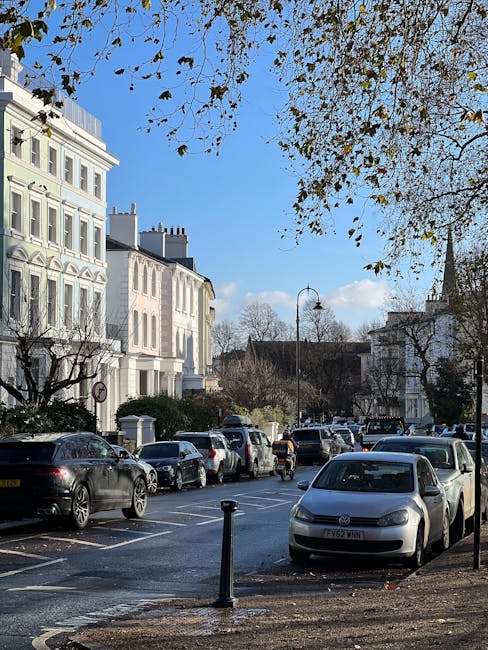
Removals Guide for Upper Richmond Road SW15: Parking Tips
Moving on or near Upper Richmond Road in SW15 can be straightforward if you plan the parking side properly. That is the difference between a calm move and a morning spent circling for space while your team waits with trolleys and boxes. This guide focuses on the practical details that matter most: where parking tends to get tight, how to reduce delays, what to prepare before moving day, and how to keep the process smooth for both residents and removal crews.
If you are organising a flat move, a house move, or even a smaller collection with a van, the same principle applies: access is part of the job. A good parking plan can save time, reduce lifting distance, and lower the risk of neighbour complaints or avoidable fines. It can also help you choose the right service, whether you need a man with a van in Putney, full house removals support, or a more flexible option such as man and van assistance.
Below, you will find a clear, local-first guide to planning removals around Upper Richmond Road SW15, with parking tips that are realistic rather than theoretical. That matters, because on a busy London road, small details make a big difference.
Why Parking Planning Matters on Upper Richmond Road SW15
Upper Richmond Road SW15 is part of a busy, built-up area where parking can be competitive at the best of times. For removals, that creates a very specific challenge: a van may need to stop close to the property, but nearby spaces can already be occupied, restricted, or awkwardly positioned for loading. If the vehicle has to park too far away, the move becomes slower and more physically demanding.
That extra distance is not just inconvenient. It can affect everything from manpower to timing. A longer walk with a wardrobe or sofa takes more effort, increases the chance of bumps and scrapes, and can stretch the entire job beyond the window you planned. On a road where traffic flow matters and kerb space is limited, a poorly thought-out parking approach can easily turn into a bottleneck.
It also matters because parking around a move affects more than the people involved in lifting boxes. Neighbours need clear access, pedestrians need safe passage, and any loading activity should fit sensibly within the street environment. The best removal days are the ones where everyone else barely notices the operation.
For people weighing up a move into the area, or planning a property transfer, this is part of the local reality. Our related guides on evaluating Putney as a place to live and the steps to buy property in Putney are useful background reading if your removal is tied to a new purchase or a longer-term relocation.
How the Parking Side of a Removal Works
The parking process for a removal is usually more than simply arriving and stopping outside the address. In practice, it is a sequence of decisions: where the van can legally pause, whether the route from vehicle to front door is manageable, what time of day gives the best chance of a clear space, and whether anything needs to be booked or arranged in advance.
For most domestic moves, the goal is to park as close as possible to the property entrance without creating a safety issue or blocking access. That may mean using an unrestricted space, a loading bay where permitted, or a short stay near the address and then moving items efficiently. On some jobs, especially in flats or terrace houses, the driver may need to position the van in a way that supports fast loading rather than absolute door-to-door convenience.
Removal parking is also about matching the vehicle to the street. A compact van and a larger removal vehicle behave differently on narrow or busy roads. If you are arranging a smaller move, a removal van in Putney may be the right fit. If the job is larger or includes heavy items, the access plan needs more care, because an oversized vehicle can be harder to position safely.
The best operators treat parking as part of the removal plan, not as an afterthought. That is why local knowledge matters. A team used to Putney removals will normally factor in route timing, street layout, and loading distance before the moving date arrives.
Key Benefits and Practical Advantages
Good parking planning brings several real advantages, and most of them are easy to underestimate until something goes wrong. The benefits are not just about convenience; they affect speed, safety, cost, and the overall tone of the move.
- Shorter carrying distance: Fewer steps between the van and the property means less lifting strain and a lower chance of damage.
- Better time control: Efficient parking keeps the job on schedule, which matters if you are dealing with building access windows or tight move-out times.
- Reduced disruption: Good positioning helps avoid blocking neighbours, driveways, or passing traffic for longer than necessary.
- Lower stress: When the van has a sensible place to stop, the whole job feels more organised. That sounds small, but on moving day it is huge.
- Safer handling: Straightforward loading reduces awkward carrying, especially with furniture, appliances, and boxed items.
- More predictable costs: A move that starts smoothly is less likely to run long, which can matter if your quote depends on time or vehicle efficiency. For planning details, see the company's pricing and quotes information.
Another advantage is that good parking planning helps you choose the right moving support. If your move is mostly furniture-based, the handling requirements may differ from a student move, a flat move, or a same-day pickup. Matching the service to the access conditions is often the simplest way to avoid problems. You can explore options like furniture removals in Putney, flat removals, or student removals depending on what you are moving.
Expert summary: On Upper Richmond Road SW15, the smartest removal parking plan is usually the one that reduces carrying distance, keeps access legal, and avoids last-minute street-level surprises.
Who This Is For and When It Makes Sense
This guide is for anyone moving in, out of, or around Upper Richmond Road SW15 who wants the parking side sorted before the van arrives. That includes homeowners, tenants, landlords, students, and small businesses. It is especially relevant if you are moving from a flat, a top-floor property, a house with limited frontage, or an address that sits on a busier section of road.
It also makes sense if you are moving items at a time when traffic and parking are less forgiving, such as a weekday morning or a weekend when the area is already active. In those circumstances, even a well-run move can slow down if the driver has to search for somewhere safe to stop.
For businesses, the same logic applies to office relocations. Delivery windows, staff access, and neighbour awareness all become part of the picture. If that sounds familiar, the office removals in Putney page is a useful companion.
This guide is also relevant if you are planning further ahead. People researching local living conditions, nearby amenities, or property moves often appreciate a broader picture of the area before setting moving dates. In that case, articles like a stroll through Putney's local offerings and Putney investment property tips can help you understand how the area functions day to day.
Step-by-Step Guidance
Here is a practical way to organise removals parking around Upper Richmond Road SW15. This is the part that helps most people turn a vague plan into something workable.
- Check the address and street layout early. Look at where the van could physically stop, where the entrance is, and whether there are obvious restrictions such as double yellow lines, resident bays, or loading limitations.
- Estimate the loading distance. If the van cannot park right outside, measure the walk in rough terms. Ten metres is very different from fifty when you are carrying furniture.
- Decide what type of vehicle is needed. A smaller move may suit a compact van, while a larger house move may need a bigger vehicle and a more deliberate access plan.
- Identify the busiest time windows. Roads like Upper Richmond Road can be more challenging at commuting times or when local activity is high. Where possible, choose a slot that gives you more flexibility.
- Think about loading order. Put the heaviest or most awkward items closest to the exit in advance. That saves unnecessary back-and-forth once the vehicle is parked.
- Prepare a fallback position. If the first spot is unavailable, know the next best place to stop. Good removals teams do this automatically, but it helps if you are coordinating the move yourself.
- Communicate clearly with neighbours or building managers. If access is tight, a brief heads-up can prevent misunderstandings.
- Keep the path clear. Hallways, front steps, and pavements should be kept free where possible so moving items stays safe and orderly.
If you are moving from a property with limited storage space, it can also help to split the move into stages. A short-term storage solution from storage in Putney may be a sensible bridge between moving out and moving in.
A simple planning rule that works
If you can answer three questions before moving day, you are in good shape: Where will the van stop? How far will items be carried? What happens if the first parking spot is taken? That is usually enough to prevent the most common moving-day headaches.
Expert Tips for Better Results
Local removals work best when you think like a driver, not just like the person moving out. That means planning the street-level details with a bit of realism.
- Book with access in mind, not just volume. Two jobs with the same number of boxes can have very different needs if one property has easy frontage and the other has awkward parking.
- Use soft, descriptive labels on boxes. A box marked "kitchen, fragile" is faster to place than one you need to inspect mid-load.
- Keep essentials separate. If the van is parked slightly away from the door, you do not want to hunt for keys, chargers, or paperwork halfway through.
- Be realistic about stairs and narrow entrances. A few extra minutes of planning here can prevent a very long morning later.
- Protect surfaces before the van arrives. Door frames, bannisters, and floors are easier to preserve than repair.
- Have someone available to guide the van if needed. On a busy road, a clear signal from the property side can make positioning much easier.
A small but important tip: do not assume the easiest-looking space is the safest or best one. A spot that appears available may still create problems for opening doors, unloading safely, or leaving enough clearance for traffic and cyclists. The best choice is usually the one that gives you a balanced compromise between distance and legality.
For more specialised help, it may be worth looking at same-day removals in Putney if your timetable is tight, or reading the site's services overview to match the move type to the service level you need.
Common Mistakes to Avoid
Most removal delays on busy London roads are caused by a handful of avoidable mistakes. The good news is that once you know them, they are easy to plan around.
- Leaving parking to the day itself. This is the biggest one. If you arrive and start looking for space from scratch, the move already begins behind schedule.
- Choosing the wrong vehicle size. Too small and you risk extra trips; too large and access becomes awkward. Either way, parking becomes harder than it needs to be.
- Ignoring loading restrictions. Some areas allow stopping only for certain purposes or at certain times. Never assume a space is fine just because it looks open.
- Overpacking boxes. Heavy boxes slow everything down and make long carries more tiring. Keep loads manageable.
- Forgetting about neighbours and shared access. A van that blocks a drive or an entrance may be legal only in theory and a problem in practice.
- Not checking building access rules. Some flats and managed properties have specific instructions for movers, lifts, or loading times.
A quieter but equally common mistake is underestimating the emotional side of moving. When people are stressed, they often rush the one thing that matters most: coordination. Slow down at the start, and the rest often improves. Truth be told, that one habit saves more time than most people expect.
Tools, Resources and Recommendations
You do not need a complicated toolkit to manage parking for removals, but a few practical resources make the day easier.
| Tool or resource | Why it helps | Best use case |
|---|---|---|
| Street view or map checks | Helps you visualise bay layout, corners, and frontage | Planning parking before moving day |
| Phone camera photos | Gives the removal team a quick visual of the access point | When you want to show a driveway, narrow entrance, or bay |
| Boxes and labels | Speeds up unloading and room placement | Any domestic move |
| Trolley or sack truck | Reduces carrying strain over longer distances | Flat moves and heavier loads |
| Property manager contact | Useful if building rules or loading arrangements need confirmation | Managed flats and shared buildings |
It also helps to use service pages that match the kind of move you are planning. For example, a full household move may benefit from house removals support in Putney, while a lighter move may be better served by a flexible man-and-van option. If packing is not yet under control, the guide to packing and boxes in Putney is a sensible next step.
For those who want extra reassurance on standards and process, it is also sensible to review company policies before booking. Pages such as insurance and safety, health and safety, and about us can help you gauge professionalism and working practices.
Law, Compliance, Standards, or Best Practice
Parking for removals sits within ordinary road use, so the safest approach is always to follow local restrictions and use common sense. On a street like Upper Richmond Road SW15, that means checking any signs, bays, markings, loading limits, and time-based restrictions before the vehicle is positioned.
There is no single rule that applies to every property, because conditions can vary by frontage, road layout, and nearby controls. The key best practice is to plan for legal stopping only, and to avoid making assumptions about loading rights or informal arrangements. If a bay is for residents, loading only, or limited to specific hours, it should be treated accordingly.
Where building access is involved, especially in flats or managed blocks, the property manager may have its own moving-day procedures. Those can include booking windows, lift protection, or advance notice. That is not unusual, and it is best treated as part of a normal, organised move rather than a complication.
From an operational point of view, a reputable removal provider should also be able to explain how it handles safety, equipment use, insurance, and customer care. If you are comparing options, pages like terms and conditions, payment and security, and complaints procedure are useful indicators of how the business is run.
In short: use the street as it is, not as you wish it were. That is the surest route to a calm move.
Options, Methods, or Comparison Table
Not every removal needs the same approach. On Upper Richmond Road SW15, the best method depends on access, volume, timing, and how much loading help you need.
| Approach | Best for | Parking impact | Typical trade-off |
|---|---|---|---|
| Man and van | Smaller moves, flexible collections, light to medium loads | Usually easier to place on tight streets | Less capacity than larger vehicles |
| Full house removal team | Larger homes, family moves, more furniture | Needs more careful positioning and loading plan | More coordination required |
| Flat removal service | Apartment moves, upstairs access, shared entrances | Parking and carrying distance matter a lot | Access can be slower if lifts or stairs are involved |
| Same-day removal | Urgent moves or last-minute collections | Parking must be sorted quickly and efficiently | Less time for complicated planning |
If you want a narrower, more residentially focused service, flat removals in Putney may fit better. If you are dealing with a short-notice move, same-day removals may be the practical choice, provided access is straightforward enough to support a fast turnaround.
Case Study or Real-World Example
Imagine a tenant leaving a first-floor flat near Upper Richmond Road SW15. The property has a shared entrance, limited frontage, and no private driveway. The move includes a sofa, bed frame, wardrobe, and several boxes of books. On paper, it sounds simple. In practice, the parking plan is what decides whether the morning runs smoothly.
The sensible approach would be to check the street in advance, identify the nearest legal stopping point, and estimate the carrying distance from that spot to the flat entrance. If a loading bay is available, that may be the best option. If not, a nearby space that keeps the van safely out of the flow of traffic may be more workable, even if it means a slightly longer walk.
The removal team would then load the most awkward items first, keep the access route clear, and use trolleys where helpful. If the team knows the street layout well, it can adapt quickly if the preferred space is taken. That flexibility is one reason local knowledge matters so much on busy roads.
The result is usually not dramatic, and that is exactly the point. A good move often looks uneventful from the outside: no frantic searching, no unnecessary waits, no shouting across the pavement. Just a steady, controlled process. That is the standard worth aiming for.
Practical Checklist
Use this checklist before move day. It is simple, but it catches most of the avoidable issues.
- Confirm the exact address and entrance point.
- Check nearby parking restrictions and loading signs.
- Measure or estimate the distance from parking spot to door.
- Choose the right-sized vehicle for the job.
- Tell the removal team about stairs, lifts, or narrow hallways.
- Prepare boxes and label fragile items clearly.
- Keep pathways clear inside and outside the property.
- Arrange any building permissions or move-in notices.
- Have a backup parking plan if the first space is unavailable.
- Keep keys, documents, and essentials separate and accessible.
- Review safety, insurance, and service terms before the day.
If you are still comparing providers, a quick review of the company's wider information can help. Start with the removal services in Putney page, then check the practical details that matter to you most. A few minutes of checking now can save a surprisingly long delay later.
Conclusion
Parking is one of the quiet make-or-break factors in any move on Upper Richmond Road SW15. Get it right, and the rest of the removal feels controlled, efficient, and far less stressful. Leave it until the last minute, and even a small move can become awkward.
The best approach is simple: plan the stop, understand the street, match the vehicle to the access, and think through your loading route before the van arrives. That is especially important in a busy local area where pavement space, traffic flow, and time windows can all influence how the day unfolds.
If you are moving soon, focus on the practical basics first. Confirm the parking plan, choose the right removal support, and make sure the team knows what the street looks like. A little preparation goes a long way.
Get a free quote today and see how much you can save.
For more background on the company and the services available, you may also want to read the services overview and the recycling and sustainability page if you are aiming to dispose of unwanted items responsibly during the move.
Frequently Asked Questions
What is the main parking challenge for removals on Upper Richmond Road SW15?
The main challenge is finding a legal, safe place to stop close enough to the property to keep carrying distances manageable. On a busy road, spaces can be limited and timing matters.
Should I try to reserve parking before moving day?
Where a formal reservation or permission is available, it is usually worth arranging. If that is not possible, plan your fallback options and check the street restrictions carefully in advance.
How far is too far for loading a removal van?
There is no fixed distance, but the further the van is from the entrance, the longer and more tiring the move becomes. Even an extra few metres can matter with heavy furniture.
What type of removal service works best on a busy local road?
It depends on the size of the move. A man-and-van option may suit smaller jobs, while larger houses or flats with many items may need a full removal team.
What should I tell the removal team before they arrive?
Share any parking restrictions, access limits, stairs, lifts, narrow entrances, and the approximate carrying distance from the road to the door.
Do flat moves need different parking planning from house moves?
Yes. Flats often involve shared entrances, stairs, lifts, and less private frontage, so parking and loading routes usually need more care.
Can a removal van stop on the road while items are loaded?
Only if stopping is legal and safe in that location. It is always best to follow the signs and local road markings rather than assume loading is allowed.
What is the biggest mistake people make with removal parking?
They leave it too late. Parking should be part of the moving plan, not a last-minute detail handled after the van arrives.
How can I reduce the time my removals team spends loading?
Label boxes clearly, keep the access route clear, group items by room, and make sure the van can park as close as possible to the entrance.
Is same-day removal a good idea if parking is tight?
It can be, but only if the access is simple enough for a fast turnaround. If parking is complicated, pre-planning becomes even more important.
What should I do if the preferred parking spot is taken?
Use your backup plan. A good removal team should be able to work from an alternative legal space without losing momentum.
How do I know if a removal company is trustworthy?
Check the company's information on safety, insurance, terms, pricing, and procedures. Clear policies and transparent communication are good signs.
Can storage help if parking or access delays the move?
Yes. If the move needs to be split into stages, short-term storage can make the process more manageable and reduce pressure on the moving day itself.
Where can I learn more about moving in Putney?
Useful starting points include the company's guides on local living, property buying, and moving services, which help you understand the area and plan your move with more confidence.